
What Makes a Promotional Giveaway Worth Keeping? A Buyer’s Checklist
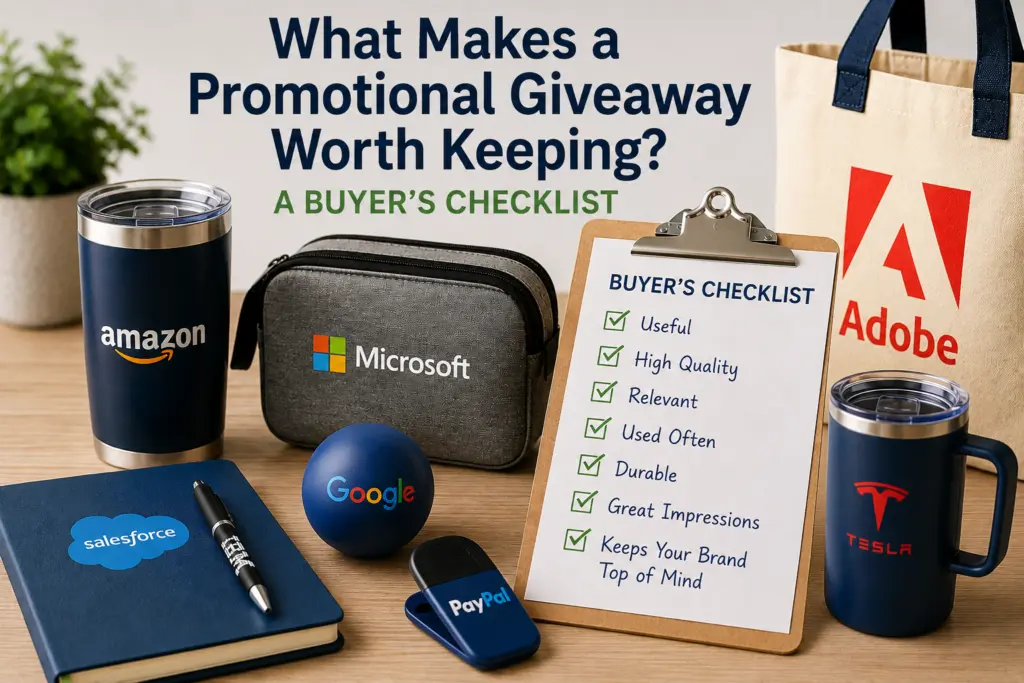
A promotional giveaway is worth keeping when it is useful, well-made, relevant, and attractive enough that the recipient wants to use it again. For businesses purchasing promotional products, custom swag, branded gifts, trade show giveaways, or logo items, the goal should not be to hand out the most products, it should be to choose promotional items that create repeated brand impressions after the event is over.
That distinction matters. A low-cost item that gets discarded creates little value. A practical branded tumbler, tote bag, notebook, charging accessory, golf gift, or piece of apparel can remain in someone’s routine for months or years.
For event planners, executive assistants, marketing departments, nonprofits, HR teams, and business owners, this buyer’s checklist explains how to select promotional giveaways people will appreciate, and keep.
Start With the “Would I Keep This?” Test
Before ordering any promotional merchandise, ask one honest question:
If this item did not have our logo on it, would our audience still want it?
If the answer is yes, you are on the right track.
The best promotional giveaways serve a purpose in everyday life. They help someone stay hydrated, carry supplies, charge a device, organize a desk, take notes, travel, exercise, relax, or enjoy a hobby. They do not need to be expensive. They do need to be relevant.
In 2026, the most durable promotional-product trends are built around practical, wearable, reusable, sustainable, personalized, and technology-friendly items. Current industry studies and records repeatedly identifies drinkware, apparel, bags, wellness products, tech accessories, and responsibly sourced items as strong categories because they have clear everyday use.
A branded giveaway from abetteridea.com is not simply an advertisement. It is a small gift and a reflection of your company. When recipients view it as useful or thoughtful, the positive association can support recognition, customer loyalty, and future engagement.
The Buyer’s Checklist
Use these ten questions before approving a custom promotional item order.
1. Is it useful to the intended recipient?
Usefulness is the most important factor in whether someone keeps a promotional product. A giveaway should solve a small problem or fit into a familiar activity.
For example:
- Conference attendees may appreciate reusable water bottles, notebooks, tote bags, lanyards, charging accessories, and travel mugs.
- Employees may value welcome-kit items such as journals, desk organizers, insulated drinkware, apparel, or wellness products.
- Golf outing participants may keep branded golf towels, hats, ball markers, insulated tumblers, tees, and divot tools.
- Trade show attendees may prefer compact, portable items such as quality pens, phone accessories, reusable bags, hand sanitizers, screen cleaners, or snack kits.
- Clients and executives may respond better to premium drinkware, useful technology gifts, quality apparel, or curated gift boxes.
Research and buyer feedback consistently point to usefulness as a central reason promotional merchandise gets retained. One 2026 promotional-products summary reports that 78% of consumers keep promotional products because they find them useful.
Buyer tip: Choose an item your audience is likely to use at least once a week. Frequent use means frequent exposure to your logo.
2. Does it fit the event or campaign?
The best promotional giveaway makes sense in its setting. A generic item may be inexpensive, but a relevant item has a stronger chance of being remembered.
A cooling towel fits a summer race, outdoor festival, or golf tournament. A quality notebook fits a leadership seminar or corporate training day. Custom sunglasses make sense at a beach event, field day, or outdoor concert. A branded luggage tag or charging cable fits a travel-industry conference. A reusable tote is especially useful at a trade show where guests are collecting printed materials and samples.
Event relevance matters because it gives the product an immediate purpose. Someone may accept a giveaway just because it is free, but they are more likely to keep it if they can use it right away. Guidance for promotional-giveaway planning similarly emphasizes matching the item to the location, target audience, and the organization’s brand.
Buyer tip: Write down the event’s primary activity. Then choose an item that helps the guest participate in, remember, or enjoy that activity.
3. Is the quality good enough to represent your brand?
A promotional product carries your name, logo, and reputation. A cheaply made item that breaks quickly, leaks, fades, or feels uncomfortable can create the wrong impression, regardless of how low the price was.
This does not mean every giveaway must be premium-priced. It means the product needs to meet a reasonable quality standard for its purpose.
A good under-$3 pen should write smoothly. A tote bag should hold the expected weight. A custom tumbler should have a secure lid. A phone charger should be dependable. A T-shirt should be comfortable enough to wear. A golf towel should be absorbent and durable.
Buyer feedback increasingly favors quality, longevity, and products people would choose for themselves. In a recent company-swag overview, nearly half of corporate gift buyers identified longevity as their leading consideration, and the guidance recommends practical, high-quality merchandise that matches company values.
Buyer tip: Request a sample or physical proof whenever possible, especially for drinkware, apparel, technology products, bags, and premium client gifts.
4. Will the design make people want to use it?
A useful promotional product can still be ignored if the design is unattractive. Branding should be visible without overwhelming the product.
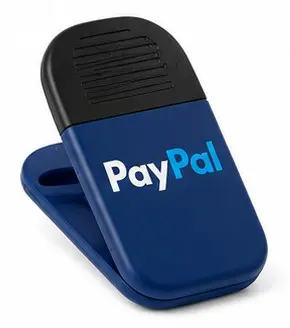
A recipient is more likely to carry a tote, wear a hat, use a mug, or display a notebook if it looks like something they chose for themselves. Clean layouts, intentional color choices, readable logos, and a restrained decoration area often work better than oversized logos or cluttered text.
A good design may include:
- A simple version of your logo.
- Brand colors used selectively.
- A short slogan that adds personality or value.
- An event-specific graphic that is stylish enough to wear or use after the event.
- A QR code only when it serves a clear purpose and remains easy to scan.
Buyer tip: Design for the recipient first and the advertiser second. If the product looks good in a tote bag, on a desk, in a car, or on social media, your branding benefits naturally.
5. Is the logo appropriate for the product?
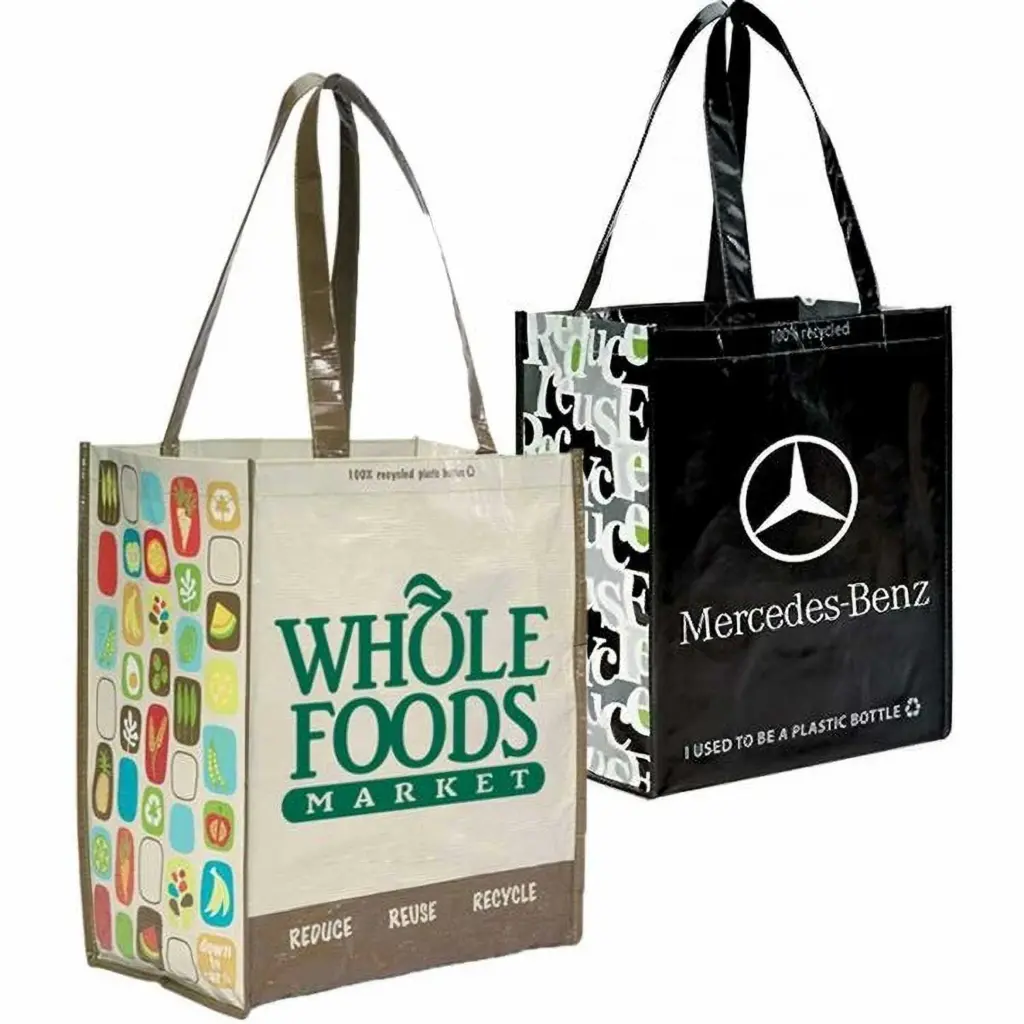
Branding should complement the product rather than dominate it. The imprint method, print location, number of colors, and logo size all affect the result.
For a premium engraved tumbler, a small etched logo can feel refined. For a colorful drawstring bag or event T-shirt, a larger, bold design may be appropriate. For a pen, a clean one-color imprint is often enough. For a golf gift, a logo plus tournament name can create a useful memento.
Avoid treating every product as a billboard. A logo-heavy item may be less likely to be worn or used in public. The best company swag often looks like branded merchandise, not free advertising.
Feedback from company-swag buyers reinforces this point: people respond to practical products that look good and feel personal, while quality materials and a clean design outperform logo-plastered trinkets.
Buyer tip: Ask your promotional-products partner for a virtual proof showing your actual logo at the actual imprint size. Do not approve artwork based only on a generic product photo.
6. Does it align with your company’s values?
Modern buyers increasingly consider what a product says about the organization giving it away. A giveaway can reinforce your company’s values around sustainability, wellness, local community, quality, innovation, employee appreciation, or inclusion.
If environmental responsibility is part of your organization’s message, consider reusable drinkware, recycled tote bags, recycled notebooks, recycled pens, seed packets, bamboo items, or products with transparent material information. If your business emphasizes wellness, consider fitness, hydration, stress-relief, or outdoor-use products. If your organization serves technology clients, practical digital accessories may feel more relevant.
Sustainability remains a significant 2026 promotional-products direction, but buyers should avoid choosing an “eco” item solely for the label. The product still needs to be useful and durable. Sustainable promotional merchandise is increasingly framed around everyday usefulness, long-term value, and responsibly sourced or recycled materials.
Buyer tip: When making sustainability claims, use only verified product details from the supplier. Avoid broad claims that cannot be supported.
7. Does it offer a reason to keep it after the event?
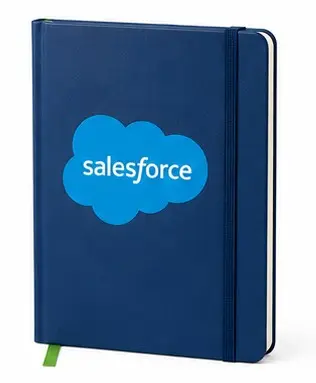
The giveaway should have a life beyond the event table. The more often recipients use it after the event, the more marketing value it creates.
Some of the strongest long-term promotional products include:
- Insulated tumblers and reusable water bottles.
- Tote bags and grocery bags.
- Comfortable caps, T-shirts, performance shirts, and quarter-zips.
- Quality notebooks and pens.
- Wireless chargers, charging cables, and phone stands.
- Golf towels, ball markers, and outdoor-use accessories.
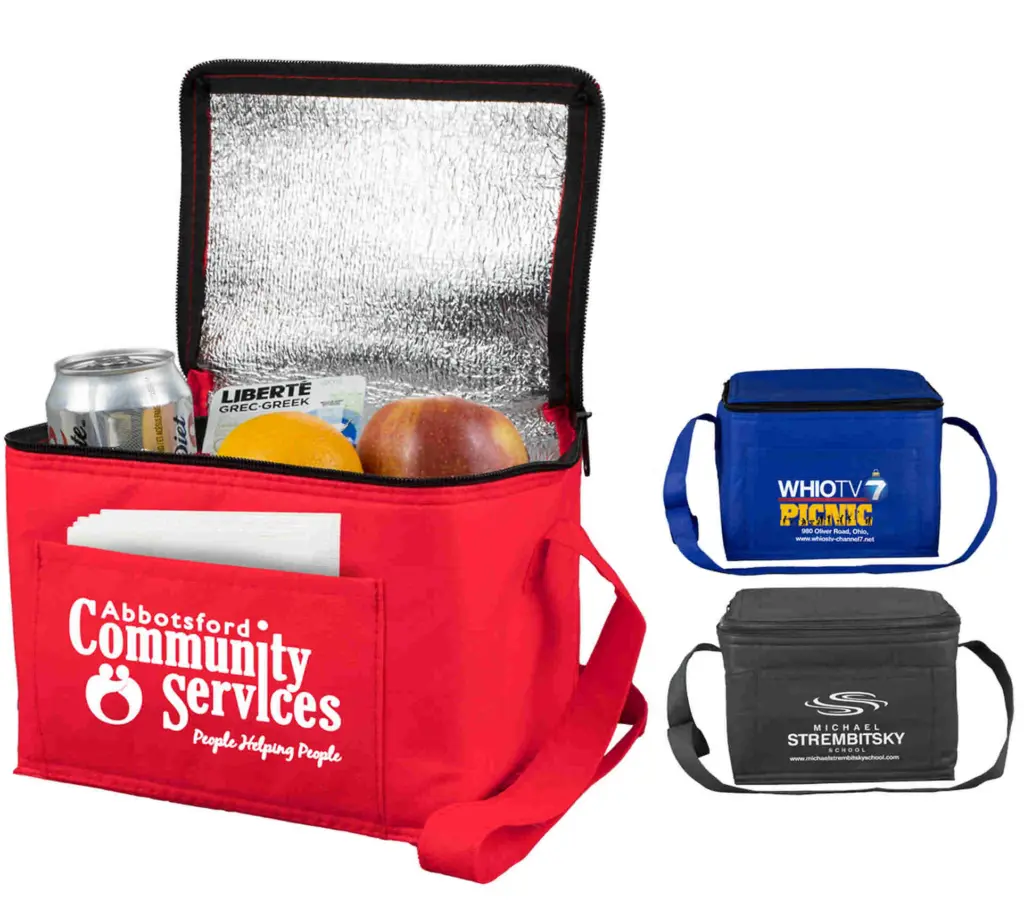
- Lunch bags, cooler bags, and travel items.
- Useful desk accessories.
Promotional items have historically demonstrated staying power. Industry guidance cited by the International Association of Exhibitions and Events notes that people hold on to promotional products for an average of about eight months, with functional, fun, and trendy items more likely to remain in use.
Buyer tip: Avoid putting a date or a year on a general giveaway unless the item is intended as a collectible event souvenir. A timeless product has a longer useful life.
8. Is the price appropriate for the recipient?
A promotional item should match the relationship and the occasion. Not everyone at a large trade show needs a $25 premium gift, and a senior client or keynote speaker may deserve something more thoughtful than a basic giveaway pen.
Consider a tiered giveaway strategy:
Recipient group
Recommended budget approach
Examples
General event attendees
Under $3 to $5
Pens, tote bags, sunglasses, lip balm, lanyards, screen cleaners
Qualified leads or registrants
Under $5 to $10
Drinkware, journals, wellness kits, lunch bags, better tote bags
Employees and valued customers
Under $10 to $25
Insulated tumblers, apparel, tech accessories, curated gift kits
VIPs, speakers, major clients, sponsors
$25 and above
Premium gift boxes, outerwear, high-end drinkware, premium technology gifts
This approach helps control costs while still making the right impression on the people who matter most to the campaign.
Buyer tip: Do not evaluate price only by unit cost. Consider expected use, brand visibility, event goals, and how many meaningful interactions the product may create.
9. Is it easy to distribute and transport?
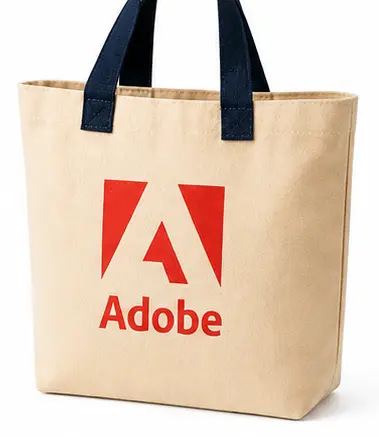
A great product can become a difficult event giveaway if it is too bulky, fragile, heavy, or complicated to distribute. Consider logistics before you order.
Ask these questions:
- Can attendees easily carry the item through the event?
- Will it fit in a registration bag or shipping carton?
- Is it safe for airline travel if attendees are flying home?
- Does it need special assembly, batteries, or instructions?
- Can staff distribute it quickly?
- Is there enough storage at the venue?
- Is the product practical for the event date and weather?
A branded umbrella may be excellent for an outdoor event but difficult to carry at a crowded convention. A glass item may look premium but require protective packaging. A rechargeable product can be valuable but may need compliance checks for shipping and travel.
Buyer tip: For major events, order samples and stage a small “distribution test” before committing to a large quantity.
10. Does it support a measurable business goal?
Promotional giveaways work best when they are part of a larger event strategy. Decide what success looks like before selecting the product.
Possible goals include:
- Increase booth traffic.
- Encourage badge scans or lead capture.
- Drive website visits.
- Build customer loyalty.
- Welcome new employees.
- Thank donors or volunteers.
- Celebrate an anniversary or company milestone.
- Encourage social-media engagement.
- Support a product launch.
- Create a memorable client meeting or golf outing.
If website engagement matters, add a short, clear URL or QR code that takes recipients to something valuable: an event offer, downloadable guide, product giveaway, appointment page, or landing page tailored to the campaign.
Buyer tip: Use a unique campaign URL, QR code, or offer code so you can measure results instead of guessing whether the giveaway worked.
Popular Promotional Items People Keep
When buyers search for the best promotional products, custom swag ideas, useful event giveaways, or branded gifts for clients, the same practical categories repeatedly appear.
Branded drinkware
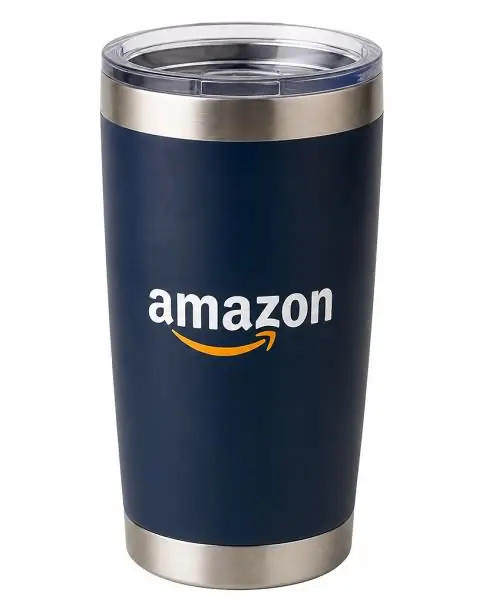
Reusable water bottles, insulated tumblers, coffee mugs, and travel cups remain reliable choices because they are used at home, at work, in the car, and during travel. Select a design and decoration method that feels durable and appropriate for your brand.
Custom Apparel
T-shirts, hats, hoodies, polos, and performance apparel are highly visible, but only when the style, fit, and design feel worth wearing. Apparel can be especially effective for employee teams, sports events, community programs, fundraisers, and customer appreciation.
Tote bags and useful carry items
Tote bags, drawstring backpacks, lunch bags, cooler bags, and travel pouches work because they provide immediate utility. They are also ideal for housing other promotional items in a complete event kit.
Technology accessories
Charging pads, power banks, phone stands, webcam covers, cable organizers, earbuds, and screen cleaners are strong choices for professional audiences. Prioritize compatibility, reliability, and a clean logo application.
Wellness and outdoor products
Cooling towels, lip balm, sunscreen, first-aid kits, hand sanitizer, fitness accessories, picnic items, and golf gifts create relevance for outdoor events, employee programs, health initiatives, and seasonal campaigns.
Make Your Next Giveaway Worth Keeping
The most effective promotional giveaway is not defined by price alone. It is defined by usefulness, relevance, durability, design, and the positive experience it creates for the recipient.
Before placing your next order, use this final checklist:
- Is this item useful to our audience?
- Does it match the event, campaign, or season?
- Would someone choose to keep it without our logo?
- Does its quality reflect well on our company?
- Is the logo attractive, readable, and appropriately sized?
- Will the item still be useful after the event?
- Does it fit our budget and recipient group?
- Can we distribute it easily?
- Does it support a measurable marketing or relationship goal?
At A Better Idea, the best custom promotional products are the ones that do more than display a logo. They give clients, employees, prospects, and event attendees something they can use, appreciate, and remember. Choose promotional swag that earns a place in their daily routine, and your brand can earn a place in their mind.
For more than 42 years, abetteridea.com has earned the trust of organizations nationwide by providing exceptional products, creative ideas, personalized service, and dependable results.
When your brand matters, choose a promotional products partner that has built its reputation on experience, creativity, integrity, and customer satisfaction.
Choose A Better Idea!, where exceptional promotional products, innovative ideas, and outstanding customer service have been our tradition for over four decades.
Post by Norman Faria
See these, and many more new product arrivals and promotional product specials at www.abetteridea.com
If you’ve enjoyed this post, be sure to follow A Better Idea! on Facebook, Instagram, Pinterest, LinkedIn or X/Twitter.
Promotional product specialists helping organizations elevate their brand identity since day one.